

Contact your local legal aid office within 48 hours to determine eligibility for free representation in custody, child support, or protection order cases. Most provinces offer income-based legal assistance specifically for family law matters, and single mothers typically qualify based on household income thresholds.
Call a community legal clinic immediately if you’re facing an urgent court date or domestic violence situation. These clinics provide same-day consultations, help completing court forms, and can connect you with duty counsel who represent clients at no cost during family court appearances.
Access pro bono family law programs through your provincial law society, where volunteer lawyers donate hours specifically for single parents navigating divorce, parenting agreements, and support enforcement. Many operate virtual consultation models, eliminating transportation barriers.
Document everything related to your legal situation starting today—keep records of communications, financial transactions, and incidents affecting your children’s wellbeing. This preparation strengthens your case and reduces billable hours if you need paid legal support later.
You’re not alone in this struggle, and the legal system recognizes that every mother deserves representation regardless of financial circumstances. Free legal services exist because justice shouldn’t depend on income. While the process may feel overwhelming, thousands of single mothers have successfully navigated these same challenges through available resources. Your courage in seeking help protects both you and your children. The path forward becomes clearer once you connect with the right support, and taking that first step today opens doors you might not know existed.
Why Legal Support Matters for Single Mothers
Navigating life as a single mom requires incredible strength, but you don’t have to face legal challenges alone. Many single mothers encounter complex legal situations that can feel overwhelming, especially when you’re already juggling work, childcare, and household responsibilities. Understanding your legal rights isn’t just important—it’s essential for protecting yourself and your children.
Single mothers often face unique legal challenges that require professional guidance. Custody disputes can arise unexpectedly, leaving you uncertain about your parental rights or how to establish a fair parenting schedule. Child support issues are equally common, whether you’re trying to secure adequate financial support for your children or need help enforcing existing orders. Housing concerns may emerge, from lease disputes to discrimination, and domestic violence situations demand immediate legal protection through restraining orders or emergency interventions.
Financial matters like bankruptcy, debt collection, or government benefits applications can also become legally complicated. Without proper guidance, you might unknowingly make decisions that affect your family’s future or miss out on support you rightfully deserve. These aren’t just paperwork problems—they directly impact your children’s wellbeing, stability, and security.
Here’s an important truth we want you to embrace: seeking legal help is not a sign of weakness. It’s actually one of the strongest, most responsible choices you can make as a mother. You are being proactive in protecting your family and securing your children’s future. God equips us with resources and people who can help during difficult seasons, and legal professionals are often part of that provision.
Having access to free legal services means you can make informed decisions with confidence, understand your options clearly, and advocate effectively for your family’s needs. You deserve support, and help is available.
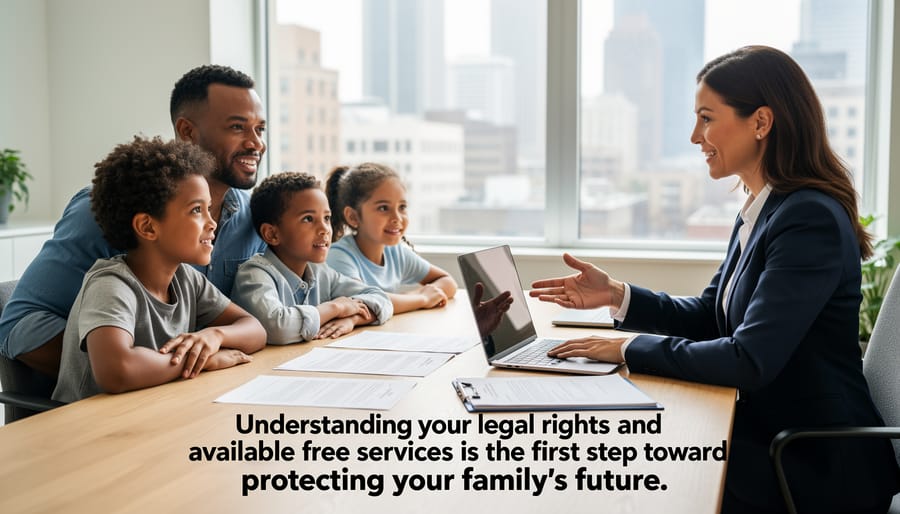
Types of Free Legal Services Available to You
Legal Aid Clinics and Pro Bono Programs
Legal aid clinics exist to ensure everyone has access to justice, regardless of their financial situation. These organizations provide free or low-cost legal services to those who qualify, and they’re often a lifeline for single mothers navigating challenging circumstances.
Qualifying for legal aid is typically based on your household income and family size. Each program has different income thresholds, but many single-parent families will meet the criteria. Don’t let worry hold you back from applying—these organizations truly want to help you, and they understand the pressures you’re facing.
Legal aid clinics commonly handle family law matters including divorce, child custody and access arrangements, child support, spousal support, and protection orders. Many also assist with housing issues, employment problems, and immigration matters. You’re not alone in needing this support, and there’s no shame in reaching out for help.
Pro bono programs connect you with volunteer lawyers who donate their time and expertise. These dedicated professionals offer the same quality representation you’d receive from paid services. Many lawyers view pro bono work as a calling to serve their community, and they’re genuinely committed to your success.
When you contact these services, be prepared to share information about your income, your legal issue, and any urgent deadlines. Remember, seeking help is a sign of strength and wisdom. You’re taking positive steps to protect yourself and your children, and that takes courage.
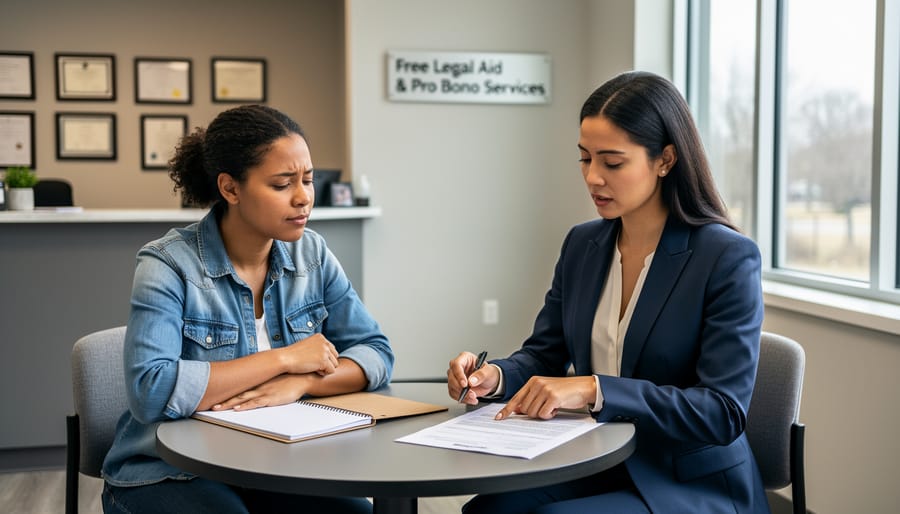
Law School Legal Clinics
Many universities with law schools provide free legal clinics where law students gain practical experience while helping community members under close faculty supervision. These clinics offer a wonderful opportunity for you to receive quality legal assistance at no cost, with professors guiding every step of your case.
Law school clinics typically handle family law matters including child custody, support arrangements, and divorce proceedings. Some also assist with landlord-tenant disputes, employment issues, and basic estate planning. The students working on your case are eager to help and bring fresh perspectives, while experienced professors ensure everything meets professional standards.
To access these services, contact law schools in your area directly. Most clinics have specific intake processes and may focus on particular practice areas, so ask about their specialties when you call. While there might be waiting periods due to high demand, the quality of service you’ll receive is excellent. These programs exist because legal education includes serving those who need help most. You’re not just receiving assistance; you’re helping future lawyers understand the real challenges families face. That’s a meaningful exchange that benefits everyone involved.
Non-Profit Legal Organizations
Specialized non-profit legal organizations understand the unique challenges you face as a single mother, and many are ready to walk alongside you during this difficult season. These compassionate organizations focus specifically on family law matters, women’s rights, and the issues that matter most to you and your children.
Nationally, organizations like Legal Aid Alberta provide crucial support for family law issues including custody arrangements, child support, and protection orders. If you’re facing domestic violence, the Luke’s Place Support and Resource Centre offers specialized legal help for women experiencing abuse. Women’s Legal Education and Action Fund (LEAF) advocates for gender equality and can connect you with resources.
Within Alberta, Community Legal Clinics serve various regions and often provide free consultations and representation for those who qualify based on income. The Calgary Legal Guidance clinic and Edmonton Community Legal Centre both offer family law assistance. Many of these organizations also partner with local women’s shelters and family resource centers.
Remember, seeking help is a sign of strength, not weakness. These organizations exist because your wellbeing matters, and trained professionals genuinely want to help you navigate this journey. Don’t hesitate to reach out—many offer phone consultations, making access easier even with your busy schedule. You deserve support, and these resources are here for you.
Court Self-Help Centers and Legal Information Services
Many courthouses across Alberta offer free self-help centers designed specifically for people who can’t afford lawyers. These welcoming spaces provide you with the tools and guidance to handle your own legal matters with confidence. Staff members can help you understand which forms you need, explain court procedures in plain language, and guide you through filing documents correctly.
Court self-help centers won’t provide legal advice or represent you, but they’ll walk alongside you through the process. You can access sample completed forms, watch instructional videos, and use computers to prepare your paperwork. Many centers offer workshops on common issues like child support calculations and custody applications.
These services are completely free and available to everyone, regardless of income. You don’t need an appointment at most locations, though calling ahead can save you time. Remember, you’re not alone in this journey. Many single mothers have successfully navigated the court system using these resources, and with patience and God’s guidance, you can too. Check your local courthouse website for hours and available services.
Common Legal Issues Where Free Help Is Available
Child Custody and Parenting Arrangements
Navigating custody arrangements can feel overwhelming, especially when emotions run high and your children’s wellbeing hangs in the balance. You don’t have to face these challenges alone. Free legal services are specifically designed to help single mothers like you establish fair custody agreements, create realistic visitation schedules, and develop parenting plans that truly serve your children’s best interests.
Legal aid lawyers understand the emotional weight of these decisions and can advocate for arrangements that protect your parental rights while prioritizing your children’s stability. Whether you’re dealing with initial custody determinations or modifications to existing agreements, qualified attorneys can help you present your case effectively in court.
Remember, seeking legal help isn’t a sign of weakness—it’s a demonstration of your commitment to your children’s future. Many mothers have walked this path before you and found strength through professional support. God equips you with the resources you need, and free legal assistance is one of those provisions. Take that first step today by reaching out to a local legal aid office to discuss your custody situation.
Child Support and Financial Obligations
Getting the financial support your children deserve is both your right and an important step toward stability. If you’re struggling to establish child support or the other parent has stopped paying, free legal services can help you navigate the court system with confidence.
Legal aid programs assist with filing initial child support applications, calculating fair amounts based on income guidelines, and presenting your case effectively. When a parent isn’t meeting their obligations, these services can help enforce existing orders through wage garnishment or other legal remedies.
Life circumstances change, and sometimes modifications are necessary. Whether you need to adjust payment amounts due to job loss, increased expenses, or custody changes, free legal assistance can guide you through the modification process.
Remember, seeking child support isn’t about conflict—it’s about ensuring your children have what they need to thrive. You’re being a faithful steward of your family’s well-being. Many mothers have walked this path before you and found that legal support made all the difference in securing their children’s financial future.
Protection Orders and Safety Concerns
If you’re facing domestic violence or feeling unsafe, please know that you’re not alone and help is available right now. Protection orders, sometimes called restraining orders or Emergency Protection Orders (EPOs), are legal tools designed to keep you and your children safe from harm. These court orders can require someone to stay away from you, your home, and your workplace.
Many organizations understand the urgency of these situations and provide free emergency legal assistance specifically for domestic abuse cases. You don’t need to navigate this frightening time by yourself. Legal Aid Alberta offers immediate support for protection order applications, and women’s shelters throughout the province have staff who can help you understand your options and connect you with lawyers at no cost.
Remember, seeking help is an act of courage and strength. God walks with you through difficult valleys, and there are caring professionals ready to stand beside you. Your safety and your children’s wellbeing matter deeply, and accessing these free services is an important step toward the peaceful future you deserve.
Housing Rights and Tenant Issues
Safe, stable housing is foundational to your family’s wellbeing, yet many single mothers face unfair eviction notices, landlord harassment, or housing discrimination. Free legal services can help you understand your rights as a tenant and challenge unjust treatment. Whether you’re dealing with unsafe living conditions your landlord won’t repair, facing eviction due to financial hardship, or experiencing discrimination based on your family status, legal aid organizations provide advocacy and representation. These services can negotiate with landlords on your behalf, help you access emergency rental assistance programs, and ensure you’re treated fairly under tenant protection laws. Remember, having children doesn’t make you a less desirable tenant—you deserve dignity and respect in your housing situation, and legal support can help secure the safe home your family needs.
Name Changes and Legal Documentation
Life brings changes, and sometimes updating legal documents is necessary to reflect your family’s new reality. Free legal clinics can help you navigate name changes for your children, whether updating birth certificates or adjusting legal documentation after separation. They’ll guide you through the proper procedures for updating identification, school records, and medical documents.
Many mothers don’t realize help is available for these administrative matters. Legal aid services can assist with updating wills, guardianship papers, and beneficiary designations to protect your children’s future. Remember, you’re taking courageous steps to build stability for your family. These seemingly small legal details create a foundation of security, and you don’t have to figure them out alone.
How to Access Free Legal Services in Alberta
Finding the Right Service for Your Situation
Finding the right legal help starts with identifying your specific situation. If you’re facing immediate safety concerns like domestic violence, reach out to crisis support services that offer emergency legal protection orders. For ongoing matters such as child custody, support payments, or divorce proceedings, legal aid clinics provide longer-term representation if you meet income guidelines. Community legal clinics are wonderful for straightforward questions and document preparation, while law school programs offer free consultations for less urgent matters. Don’t hesitate to contact multiple services—many organizations work together and can guide you to the right place. Remember, you’re not alone in this journey, and asking for help is a sign of strength, not weakness. God provides through these dedicated professionals who are ready to walk alongside you during this challenging season.
What to Expect During the Application Process
Taking the first step toward getting legal help can feel overwhelming, but knowing what to expect can ease your worries. Most free legal services begin with a simple intake process, often done by phone or online. You’ll typically be asked about your household income, the number of children you’re caring for, and a brief description of your legal issue. This isn’t meant to judge you but simply to ensure you receive the right support.
Gather basic documents like identification, proof of income (pay stubs or benefit statements), and any paperwork related to your legal concern, such as court notices or custody agreements. Don’t worry if you don’t have everything perfectly organized—the staff understands your situation and will guide you through what’s needed.
Eligibility usually depends on your financial circumstances, with most programs serving those at or below a certain income threshold. Remember, asking for help is a sign of strength, not weakness. God provides resources through caring people and organizations ready to walk alongside you during challenging times.
Key Alberta Resources to Start With
Alberta offers wonderful resources designed specifically for mothers like you who need legal support. Legal Aid Alberta is your first stop—they provide free legal advice and representation for family law matters if you meet their income guidelines. You can reach them at 1-866-845-3425 or visit their website to see if you qualify. Their compassionate lawyers understand what you’re going through.
The Family Law Act Information Centres, located in courthouses across Alberta, offer free guidance on family law issues like custody, parenting arrangements, and child support. No appointment needed—just walk in and speak with knowledgeable staff who can help you understand your options and complete court forms.
For immediate questions, the Family Law Information Line at 310-4636 connects you with helpful information about your rights and available services. Remember, reaching out for help is a sign of strength, not weakness. You’re taking important steps to protect yourself and your children, and these resources exist because your wellbeing matters. God has placed these helpers in your path—don’t hesitate to use them.
Preparing for Your Legal Consultation
Walking into a legal consultation can feel overwhelming, but with some preparation, you can make every minute count. Remember, you’re taking an important step toward protecting yourself and your children, and that takes courage.
Start by gathering your documents before your appointment. Bring any court papers, letters from lawyers, custody agreements, divorce documents, child support orders, restraining orders, and correspondence related to your legal issue. If you don’t have originals, copies work fine. Organize them chronologically in a folder so you can easily find what you need. Even if you think a document might not be relevant, bring it anyway—legal professionals can quickly determine what’s important.
Write down a timeline of events related to your situation. Include dates, what happened, and who was involved. This helps you stay focused and ensures you don’t forget crucial details when you’re feeling nervous or emotional. There’s no judgment here—just write honestly about your circumstances.
Prepare your questions ahead of time. Consider asking about your legal options, realistic outcomes, timeframes, what documents you’ll need, and what steps come next. Don’t hesitate to ask for clarification if something doesn’t make sense. These professionals are here to help you understand.
Bring a notebook to take notes during your consultation. You’ll likely receive important information, and it’s easy to forget details later. If childcare is available, take advantage of it so you can focus fully on your meeting.
Know that God sees your efforts and walks with you through this journey. You’re not just seeking legal help—you’re advocating for your family’s wellbeing, and that’s something to be proud of.
When Free Services Aren’t Enough: Alternative Options
While free legal services are wonderful resources, it’s important to know they often have limitations. Many programs serve only those below specific income thresholds or handle particular types of cases. Wait times can stretch for weeks or months, and staff shortages sometimes mean limited availability. If you’re facing these challenges, please don’t lose heart. God provides multiple paths forward, and several affordable alternatives can still help you move toward resolution.
Many lawyers offer payment plans that break costs into manageable monthly amounts. This option transforms what seems impossible into something workable for your budget. Limited-scope representation, sometimes called “unbundling,” allows you to hire a lawyer for specific tasks while handling simpler parts yourself. For example, an attorney might review your documents or represent you at one crucial hearing rather than handling your entire case.
Legal coaching is another practical middle ground. Through coaching sessions, lawyers teach you how to represent yourself effectively, providing guidance without full representation. You’ll gain confidence and knowledge while keeping costs down.
Some attorneys also offer sliding scale fees based on your income, making professional help more accessible. Community legal clinics sometimes provide these services at reduced rates.
Remember, asking for help shows strength, not weakness. Exploring these alternatives demonstrates your commitment to protecting your family’s future. Many mothers before you have successfully navigated legal challenges using these creative solutions, and with faith and determination, you can too.

You deserve legal protection, and taking steps to secure it isn’t just about you—it’s an act of profound love for your children. The legal challenges you’re facing right now may feel overwhelming, but remember that God has placed resources and people in your path to help carry this burden. You don’t have to navigate this journey alone.
Reaching out for free legal services is a sign of strength, not weakness. It shows wisdom and determination to create a stable, safe future for your family. Whether you’re dealing with custody matters, seeking child support, or protecting yourself from an unsafe situation, these services exist specifically to support mothers like you who are doing their best under difficult circumstances.
As you move forward, remember that Proverbs 31:25 reminds us that strength and dignity are our clothing, and we can smile at the future. Take that first step today—make the phone call, fill out the application, or reach out to a legal aid clinic. Each action brings you closer to the resolution and peace you’re seeking.
Beyond legal assistance, the Moms for Moms community is here to walk alongside you. We offer emotional support, practical resources, and a network of women who truly understand your journey. You’ll find encouragement, friendship, and the reminder that your worth isn’t defined by your circumstances. Together, we’re stronger, and together, we can help you build the brighter future you and your children deserve.


